

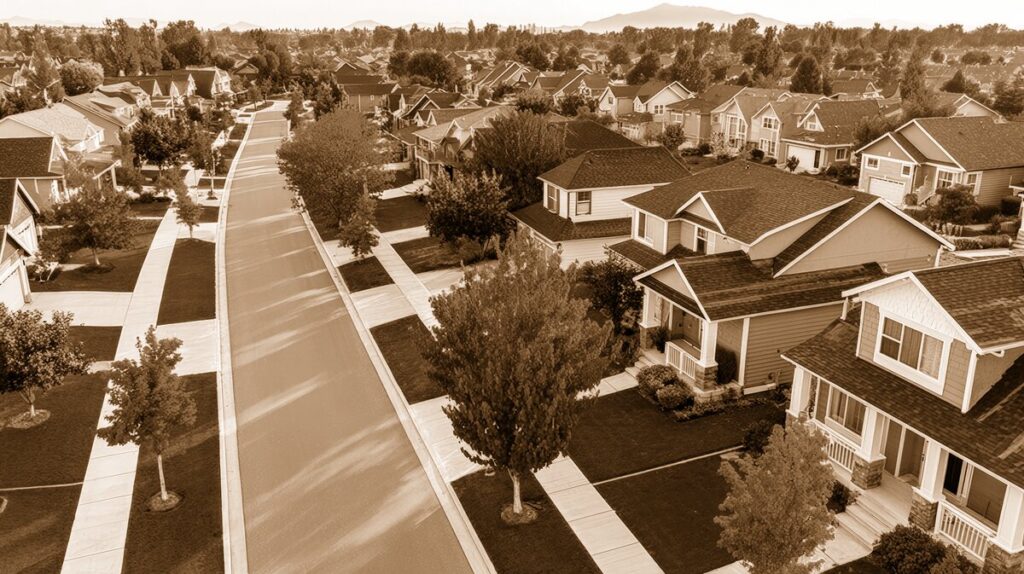
Nestled along the lively west side of Belmont, Morgans Branch is a neighborhood where stories are etched in winding roads and a strong sense of community carries through generations. For those lucky enough to call it home, Morgans Branch is much more than a geographic area—it’s a living testament to Belmont’s enduring charm and evolving identity. Let’s take a journey through the origins, landmarks, and legacy that make Morgans Branch not only historic, but truly special.
Origins of Morgans Branch: From Rural Crossroads to Vibrant Neighborhood
Morgans Branch traces its earliest days back to rural Gaston County before Belmont’s rise as a textile hub. The neighborhood’s name comes from the creek, Morgan’s Branch, which snakes through the area. According to local historians, this stream was named for the Morgan family—early European settlers who established farms along its banks in the late 1700s. Over generations, the Morgans left their mark not only through the stream but also through hard work, neighborly spirit, and land donations for local churches and civic causes.
The convergence of waterways—notably Morgan’s Branch and the nearby South Fork Catawba River—made this area ideal for farming and trade. Old maps dating back to the 1800s often show “Morgan’s Branch” as a key reference point, with ox-cart trails tracing what are now thoroughfares like Armstrong Road and South Point Road.
Key Historical Milestones
Morgans Branch’s history is marked by growth, resilience, and transformation:
- Early Agriculture: Throughout the 19th century, family-owned farms lined the rolling hills, the fertile land supporting corn, cotton, and livestock. Oral tradition still remembers the annual barn raisings and community harvests that brought neighbors together.
- Industrial Expansion: With the development of Belmont’s textile mills in the late 1800s and early 1900s, many Morgans Branch residents found work in nearby factories like Chronicle Mill and National Mill. The neighborhood became a quiet residential enclave, connected by dirt roads and weekly church socials.
- Schoolhouses and Churches: Institutions like South Point Baptist Church (now a fixture on South Point Road) and early one-room schoolhouses played a pivotal role in community life, offering education, worship, and a sense of belonging.
- Post-War Suburban Growth: After World War II, Morgans Branch witnessed a shift. Family farms gave way to new homes as returning veterans sought affordable housing and a place to raise families. Streets like Armstrong Road, Belmont Lane, and Woodlawn Avenue became lined with tidy ranch houses and shady oaks.
- Modern Development: In the past two decades, residential developments like Morgans Branch at Overlake have sprung up, blending modern amenities with the neighborhood’s rustic roots. The extension of public utilities, addition of parks, and improved schools have made the area increasingly popular, while still preserving its tranquil character.
Notable Landmarks and Places of Pride
Morgans Branch, though not as bustling as downtown Belmont, has its share of beloved sites that tug at the heartstrings:
- Morgan’s Branch Creek: The namesake waterway remains a serene retreat for residents. Shaded by sycamores and dogwoods, it’s a haven for birdwatchers and kids seeking turtle sightings.
- South Point Baptist Church: This cornerstone institution has welcomed families for generations. Its red-brick sanctuary and adjacent cemetery along South Point Road anchor the community’s faith and history.
- Armstrong Road: Once a dusty farm lane, Armstrong Road is now a lively thoroughfare, home to historic properties and new, thoughtfully planned developments.
- Morgans Branch at Overlake Park: A more recent addition, this park offers a tranquil space for picnics, playground fun, and neighborhood gatherings—a symbol of the area’s evolution toward family-friendly living.
- South Point High School: Just a stone’s throw away, South Point High has been the alma mater for countless Morgans Branch teens, fostering both academic achievement and Red Raider pride.
Evolution Through the Decades
The greatest story of Morgans Branch may be how it has gracefully adapted to changing times. As the textile era receded, the neighborhood became a blend of old and new:
- Historic farmhouses now sit beside contemporary homes, making for a landscape where time seems layered.
- Community traditions endure, like potluck dinners at local churches and friendly waves on evening walks.
- The influx of new families has brought fresh energy and diversity, while longtime residents share neighborhood lore and Southern hospitality.
Local events—whether a summer block party or a school Homecoming parade—speak to a sense of belonging that has never faded. The blend of natural beauty, storied past, and forward-looking spirit is clear as you travel its streets: Morgans Branch is a neighborhood where roots run deep, and futures look bright.
What Makes Morgans Branch Special Today
Ask any resident, and they’ll tell you that Morgans Branch is more than its address—it’s a place shaped by camaraderie, history, and hope. Kids still chase fireflies by Morgan’s Branch Creek. Neighbors gather at South Point Baptist on Sundays. Homeowners take pride in front-porch conversations as the sun sets over Armstrong Road.
Most of all, Morgans Branch remains a true Belmont treasure—quiet yet welcoming, steeped in heritage yet ever-evolving, with the gentle flow of its namesake creek connecting past, present, and future. If you’re seeking a neighborhood with heart, story, and a warm embrace, look no further than Morgans Branch.